Source Bpa Free Tritan Water Bottle With Rope for Gym, School, and Outdoor Use
Compare 30 bpa free tritan water bottle with rope options from China. Explore models like HN-1761 and DB-007 with FDA and LFGB certifications. Find customizable designs for sports, camping, and daily hydration needs; compare the available evidence and request quotations based on your requirements.
Key considerations
Products List


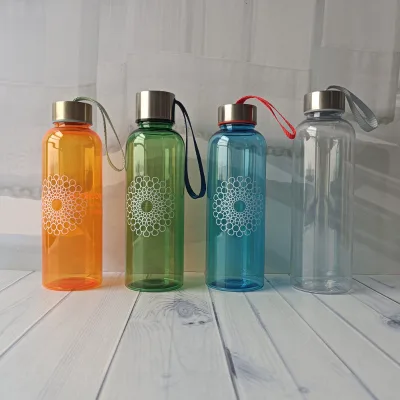


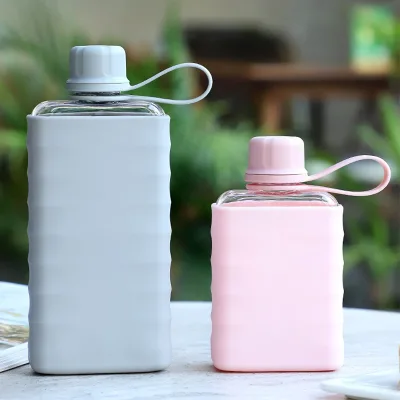


Comprehensive Sourcing Guide
Bpa Free Tritan Water Bottle With Rope Sourcing Guide
Sourcing BPA-free Tritan water bottles with rope requires a disciplined approach to material verification and design validation. Buyers must prioritize suppliers who explicitly confirm the use of Eastman Tritan copolyester, as this material offers superior impact resistance and clarity compared to standard polycarbonate or polypropylene alternatives. The inclusion of a rope handle is a functional design element that enhances portability for outdoor and sports applications, but it introduces potential failure points that require rigorous inspection. Procurement teams should evaluate how the rope is attached to the bottle body, ensuring that the connection method does not compromise the structural integrity of the container during vigorous use.
The market landscape for these products is diverse, with manufacturers offering various customization options to meet specific brand requirements. Buyers should expect to encounter models that support logo printing through UV, heat transfer, or silk screen methods, allowing for distinct brand identity integration. It is crucial to distinguish between generic unbranded items and fully customized solutions, as the latter often involve higher minimum order quantities and longer lead times. Understanding the balance between standard inventory availability and bespoke manufacturing capabilities will help procurement teams align their sourcing strategy with their immediate operational needs and long-term branding goals.
Product Scope and Observed Listing Signals
The observed product listings reveal a wide range of specifications, indicating that the market for Tritan bottles is segmented by capacity, style, and accessory features. Models such as HN-1761 and HN-2209 demonstrate variations in dimensions, with some bottles measuring approximately 22 cm in height while others extend to 28.5 cm. These physical differences directly impact the bottle's capacity and ergonomic fit, requiring buyers to select dimensions that align with their target user demographics. The presence of both simple and cartoon styles suggests that manufacturers cater to diverse aesthetic preferences, from minimalist corporate gifts to vibrant children's products, necessitating careful selection based on the intended end-user profile.
Accessories and packaging details further define the product scope, with many listings highlighting features like handles, covers, and specific packing methods such as OPP bags or color boxes. The availability of customizable logos and multicolor options adds significant value for brands seeking unique market differentiation. However, buyers must verify that the "BPA-free" claim is substantiated by the material specification, as some listings may use generic plastic terms without confirming the specific Tritan composition. The observed price range and MOQ variations reflect the complexity of customization, with higher customization levels typically correlating with increased production costs and stricter order requirements.
Technical Specifications to Verify
Verifying technical specifications is critical to ensuring that the purchased bottles meet functional and durability expectations. Buyers should confirm the exact plastic type, distinguishing between Tritan and other plastics like PC or PP, as this affects safety and performance characteristics. The presence of a rope handle requires inspection of the attachment mechanism, ensuring it is securely fastened and resistant to pulling forces. Additionally, the bottle's dimensions, such as the 27.2 cm height observed in some models, should be cross-referenced with capacity claims to ensure consistency and prevent discrepancies in product delivery.
Capacity and weight specifications are also key technical parameters that influence user experience and logistics planning. Listings indicate capacities ranging from 400 ml to 2200 ml, with corresponding net weights that affect shipping costs and handling ease. Buyers must verify that the bottle's design, including features like square shapes or clear finishes, does not compromise its leak-proof integrity. The inclusion of specific model numbers, such as DB-007 or D2311, allows for precise tracking of product attributes, ensuring that the ordered items match the approved samples in terms of material, design, and functional performance.
Compliance and Safety Documentation
Compliance with international safety standards is non-negotiable for BPA-free Tritan water bottles, particularly when targeting markets with strict regulatory requirements. Buyers must request and verify certifications such as FDA, CE, LFGB, and EEC, which confirm that the materials are safe for food contact and free from harmful substances like BPA. These certifications provide assurance that the bottles meet the rigorous testing protocols required for consumer products, reducing the risk of regulatory non-compliance and potential product recalls. It is essential to ensure that the certification documents are current and issued by recognized testing bodies, as outdated or invalid certificates can expose buyers to significant legal and reputational risks.
In addition to material safety, buyers should inquire about the testing procedures used to validate the bottle's durability and leak-proof performance. While specific test results may not be publicly listed, suppliers should be able to provide internal quality control data or third-party test reports upon request. This documentation helps verify that the bottles can withstand typical usage conditions, including drops, temperature changes, and repeated cleaning cycles. By prioritizing suppliers with robust compliance documentation, buyers can mitigate risks associated with product safety and ensure that their offerings meet the expectations of health-conscious consumers and regulatory authorities.
Cost Drivers and Commercial Terms
Understanding the cost drivers behind BPA-free Tritan water bottles is essential for effective budgeting and negotiation. The primary cost factors include the price of raw materials, particularly Tritan copolyester, which is more expensive than standard plastics, and the complexity of manufacturing processes such as injection molding and rope attachment. Customization options, including logo printing and unique color schemes, further influence pricing, as they require additional setup time and specialized equipment. Buyers should anticipate higher unit costs for fully customized orders compared to standard inventory items, reflecting the added value of brand-specific design and production.
Commercial terms, including minimum order quantities (MOQ) and payment conditions, play a significant role in the overall procurement strategy. Observed MOQs range from 10 to 3000 pieces, with higher customization levels typically requiring larger orders to justify production setup costs. Buyers should negotiate flexible MOQs where possible, especially for initial orders or test batches, to reduce inventory risk. Additionally, understanding the lead times and packaging requirements, such as carton or color box packing, is crucial for supply chain planning. Clear communication of these terms with suppliers ensures that both parties have aligned expectations, facilitating smoother transactions and timely delivery.
Supplier Qualification and Quality Control
Supplier qualification is a critical step in ensuring the reliability and consistency of BPA-free Tritan water bottle supplies. Buyers should conduct thorough due diligence on potential suppliers, verifying their manufacturing capabilities, quality management systems, and past performance records. Suppliers with ISO 9001 certification, if available, demonstrate a commitment to standardized quality processes, which can enhance product consistency and reduce defects. It is also important to assess the supplier's ability to handle customization requests, including logo printing and design modifications, as this indicates their flexibility and responsiveness to buyer needs.
Quality control measures should be integrated into the procurement process to ensure that delivered products meet specified standards. Buyers should implement pre-shipment inspections to verify product dimensions, material quality, and functional performance, such as leak-proof integrity and rope durability. Establishing clear quality acceptance criteria and communication channels with suppliers helps address any issues promptly, preventing defective products from reaching the market. By prioritizing suppliers with robust quality control systems and transparent communication practices, buyers can build a reliable supply chain that supports their brand reputation and customer satisfaction.
Long-Term Procurement Checks
Long-term procurement success depends on continuous monitoring and evaluation of supplier performance and product quality. Buyers should establish key performance indicators (KPIs) to track metrics such as on-time delivery, defect rates, and responsiveness to issues, using this data to inform future sourcing decisions. Regular audits and feedback sessions with suppliers can help identify areas for improvement and strengthen the partnership over time. Additionally, staying informed about market trends and regulatory changes ensures that the sourced products remain compliant and competitive in the evolving consumer landscape.
Sustainability and innovation are also important considerations for long-term procurement strategies. Buyers should explore opportunities to source eco-friendly materials or designs that align with growing consumer demand for sustainable products. Engaging with suppliers who invest in research and development can lead to innovative solutions that enhance product value and differentiate the brand in the market. By maintaining a proactive approach to supplier management and product development, buyers can build a resilient supply chain that adapts to changing market conditions and supports long-term business growth.
FAQs
Can I get a customized logo on the bottle?
Yes, the logo is customizable for this product. You can choose from UV printing, heat transfer, or silk screen printing methods to apply your design. This customization option allows you to brand the water bottle effectively for your specific business needs or promotional campaigns.
What certifications does the plastic bottle have?
The product holds FDA, CE, LFGB, and EEC certifications. These standards ensure the material meets safety requirements for food contact. Some listings also mention CIQ certification. These credentials verify the bottle is safe for drinking water and suitable for various international markets.
Which plastic types are used for these bottles?
The bottles are made from PC and Tritan plastic types. Tritan is often preferred for being BPA-free and durable. The specific material depends on the model selected, such as HN-1761 or D2311. Both materials offer clarity and strength for daily use in sports or outdoor activities.
What are the available capacity options for the bottle?
Available capacities range from 400ml to 2200ml depending on the model. Specific options include 500ml, 550ml, 610ml, 740ml, 1500ml, and 2200ml sizes. You can select the volume that best fits your target audience, whether for children, adults, or heavy-duty outdoor sports use.
How is the product packed for shipping?
Packaging options include carton boxes, color boxes, and OPP bags. The specific packing method varies by model, with some items shipped in standard cartons while others use individual color boxes. This ensures the bottles are protected during transit and ready for retail display upon arrival.
What is the minimum order quantity for this item?
The minimum order quantity varies significantly, ranging from 10 pieces to 3000 pieces depending on the specific model. Some listings indicate an MOQ of 1000 pieces for certain configurations. Buyers should verify the exact MOQ for their chosen model before placing an order to ensure feasibility.
Where is the product manufactured?
The product originates from China. This location is the primary source for the manufacturing of these water bottles. Buyers sourcing from this region can expect access to a wide variety of models and customization options while maintaining competitive pricing structures for bulk orders.